Retinal Diseases & Diabetic Retinopathy – Preserving the Light Within
Retina is the innermost layer of the eye, responsible for converting light into signals that travel to the brain—allowing us to see. Any damage to this delicate tissue can lead to serious visual impairment or even blindness.
Diabetic Retinopathy – Damage to blood vessels due to high blood sugar
Macular Degeneration – Age-related deterioration of the retina’s central part
Retinal Detachment – Retina pulls away from the back of the eye
Macular Edema – Swelling of the central retina
Retinal Vein Occlusion – Blockage of blood flow in the retina
What Are Retinal Diseases?
Retinal diseases encompass a range of conditions that affect the retina’s ability to function normally. These include:
Risk Factors for Retinal Diseases
Diabetes (Type 1 or Type 2) – especially if uncontrolled, Long-standing or poorly managed diabetes increases risk significantly
Hypertension (high blood pressure)
Systemic Diseases/ Disorders (Damaged kidneys, Liver, Heart conditions, Tubercolosis, High Risk Pregnancies and others)
High cholesterol
Smoking
Family history of retinal diseases
Age above 50, especially for macular degeneration
Eye injuries or prior eye surgeries
Understanding who is at risk helps in early detection and preventive care. Risk factors include:
Regular eye check-ups are crucial for anyone with these risk factors, even without symptoms.
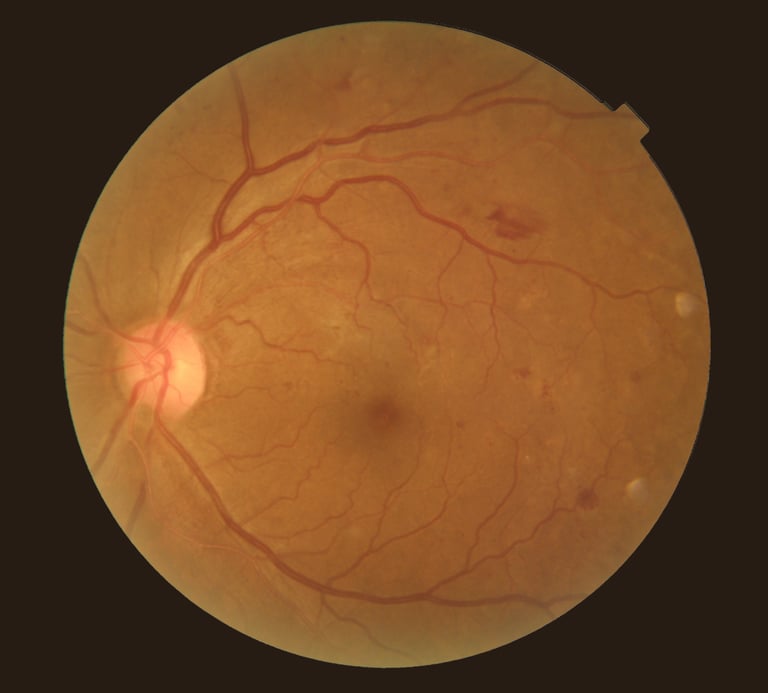
Among all retinal conditions, Diabetic Retinopathy is one of the most common, especially in people living with diabetes. Early diagnosis and proper management are essential for preserving vision.
Leakage of fluid or blood
Swelling of the macula (macular edema)
Formation of abnormal vessels (proliferative stage), which can rupture and bleed
Scar tissue formation, causing traction and retinal detachment
If not treated in time, it can cause progressive and permanent vision loss.
What Is Diabetic Retinopathy?
Diabetic Retinopathy is a complication of long-standing or poorly managed diabetes. High blood sugar levels damage the tiny blood vessels in the retina, leading to:
1. Intravitreal Injections
2. PRP Laser (Panretinal Photocoagulation)
OCT (Optical Coherence Tomography): A quick, painless scan that creates high-resolution cross-sectional images of the retina, revealing fluid buildup, swelling, or structural damage.
Fundus Photography & Fluorescein Angiography: Detailed images of the retina and blood vessels using contrast dye. Helps detect leaky or blocked vessels and abnormal growth.
Visual Acuity & Field Tests: Evaluate how well you see and detect any gaps in your visual field.
Reduce swelling (macular edema)
Stop bleeding
Halt abnormal vessel growth
These injections are commonly used for:Diabetic Macular Edema
Retinal Vein Occlusion
Age-related Macular Degeneration
Retinal detachment
Severe vitreous hemorrhage
Scar tissue pulling on the retina
When Should You See a Retina Specialist?
Sudden blurred or distorted vision
Dark spots or floaters
Flashes of light
Vision loss in part of your field of view
Diabetes (with or without vision issues)
Annual retinal screenings are vital for all diabetic patients, even if your vision feels normal.
At Anandeep Netralaya, we use the latest technology for accurate and early diagnosis. Our services offer - Cutting edge diagnostics (OCT, fundus imaging, angiography), Individualized treatment plans, advanced intravitreal and laser therapies & skilled retinal surgeons for complex procedures.
And many more…
These conditions can impact central vision, peripheral vision, or both.
How Are Retinal Diseases Diagnosed?
Treatment Options
Early-stage retinal disease may be monitored, but active disease requires treatment to avoid permanent loss of vision.
Medications such as anti-VEGF agents or steroids are injected directly into the eye to:
A quick procedure, usually done under topical anesthesia with little discomfort.
This laser therapy is used in proliferative diabetic retinopathy to:
Shrink abnormal blood vessels
Reduce oxygen demand from the retina
Prevent bleeding and retinal detachment
While it may slightly reduce peripheral vision, it is highly effective in preserving central vision.
3. Vitrectomy (Retinal Surgery)
A specialized procedure done in cases of:
The vitreous gel is removed and replaced with gas or silicone oil, and the retina is repaired using laser or cryotherapy.
Schedule an appointment if you experience: